godot shaders
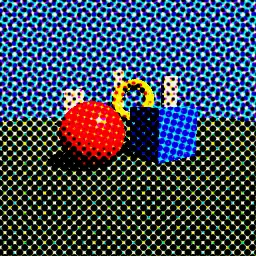
CMYK halftone print screens
Reproduce colour printing: the image is split into cyan, magenta, yellow and black, each printed as dots on its own rotated grid with dot size following the ink amount, then composited on paper.
 AgentFoundrySign in ↗
The component library for your agent
Give your agent the skills, code, instructions and working files it needs. Spend less time assembling its starting point.
For your existing harness. Your models and permissions stay yours.
Works with the agent tools you already use
Open the actual material
godot shaders
Reproduce colour printing: the image is split into cyan, magenta, yellow and black, each printed as dots on its own rotated grid with dot size following the ink amount, then composited on paper.
procedural textures
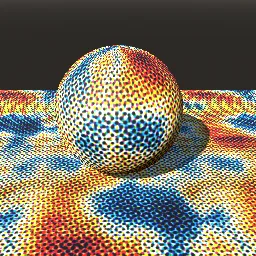
Generate tileable maps of printed halftone: a procedural design separated into inks and screened as round dots on rotated whole-number lattices at classic angles, with misregistration, dot gain and fibrous aged paper. Use for comic and pop-art surfaces, posters, newspapers, packaging and print-themed backgrounds.
mesh algorithms
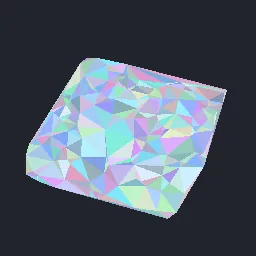
Triangulate 2D points so that no point lies inside any triangle's circumcircle, using Bowyer-Watson insertion with exact fallback predicates. Use it for terrain meshes, interpolation and Voronoi construction.
Previews come from recorded component checks. Review each component’s limits before using it in your project.
A shorter path to building
AgentFoundry connects to the shared component service. It does not replace your agent or run your model.
Your connected agent searches short descriptions. It does not load the whole library into context.
Check the files, licence, requirements, declared effects and recorded tests.
Retrieve the exact version. Run its checks in the environment where the result needs to work.
Keep your agent. Improve its starting point.