 Agent
Agent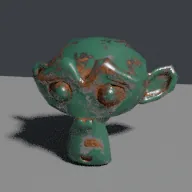
What this component contains
ATTRIBUTION.mdLICENSEREADME.mdcomponent.jsongraphcheck.pymaterial_rust_paint.pymeshcheck.pypreview.pngtest_material_rust_paint.pytest_package.pyverification/native.json
How it works
- Operator
- baltor.material_rust_paint
- Parameters
- material_name, paint_color, coverage, cavity_weight, ao_distance, chip_width, rust_scale, assign
- Result
- One material with a node tree; assigned to the active object.
- Blender
- 4.2 or later
- Axes
- Blender Z up, -Y forward
- Units
- metres
Recorded checks
blender 5.2.1 LTS (hash 9e2066aef7ef built 2026-08-25 02:12:34)
addon_install_and_enableoperator_runs_with_defaultsblender_data_matches_coreaddon_disable_unregistersscript_mode_runsclean_reopen_addon_fileclean_reopen_script_filegltf_separate_exportengine_output_clean
Limits to consider
The cavity term uses the Ambient Occlusion shader node, which Cycles evaluates by ray tracing and EEVEE approximates in screen space, so rust in crevices differs between them. Rust spreads by noise thresholds, not by any corrosion model, and has no streaks below edges. Rendered here with Cycles CPU only. Verified in Blender 5.2.1; written for the 4.2 API.