 Agent
Agent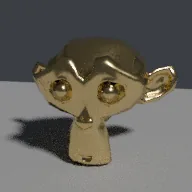
What this component contains
ATTRIBUTION.mdLICENSEREADME.mdcomponent.jsongraphcheck.pymaterial_metal_f0_library.pymeshcheck.pypreview.pngtest_material_metal_f0_library.pytest_package.pyverification/native.json
How it works
- Operator
- baltor.material_metal_f0_library
- Parameters
- metal, roughness, roughness_variation, brushed, assign
- Result
- One metallic material named Baltor and the metal name; assigned to the active object.
- Blender
- 4.2 or later
- Axes
- Blender Z up, -Y forward
- Units
- metres
Recorded checks
blender 5.2.1 LTS (hash 9e2066aef7ef built 2026-08-25 02:12:34)
addon_install_and_enableoperator_runs_with_defaultsblender_data_matches_coreaddon_disable_unregistersscript_mode_runsclean_reopen_addon_fileclean_reopen_script_filegltf_separate_exportengine_output_clean
Limits to consider
The F0 values are approximate linear sRGB reflectances rounded to two decimals; the edge tint of real metals is left to the Principled BSDF's default model, and oxidation, patina and scratches are not included. Brass and similar alloys vary with composition. Brushed anisotropy needs tangents that follow the brushing direction. Rendered here with Cycles CPU only. Verified in Blender 5.2.1; written for the 4.2 API.