 Agent
Agent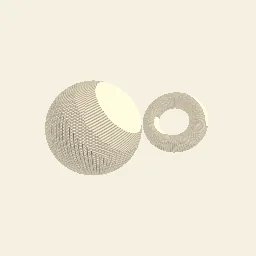
What this component contains
ATTRIBUTION.mdLICENSEREADME.mdcomponent.jsondemo.tscninspect_shader.pylit_hatching.gdshadermaterial.trespreview.pngtest_package.pyverification/native.json
How it works
- Shader type
- spatial
- Parameters
- paper_color (vec4 = 0.96, 0.94, 0.88, 1), line_density (float = 90), line_width (float = 0.35), level_1 (float = 0.8), level_2 (float = 0.55), level_3 (float = 0.32), level_4 (float = 0.15), ink_strength (float = 0.92)
- Use it on
- A mesh with reasonably even UVs; keep the environment ambient light low so shadows stay dark.
- Result
- Paper-white shapes shaded with layers of crossing ink lines that thicken toward the shadow side.
- Renderers
- compatibility: compiled and rendered, forward plus: not verified, mobile: not verified
- Placement
- res://baltor/godot_shaders/lit_hatching/
Recorded checks
godot 4.7.2.stable.official.ed1daf0bf
contract_staticengine_runengine_log_cleanshader_in_scenecapture_writtenrender_not_uniformshader_changes_pixels
Limits to consider
Lines follow UVs, so seams and stretched UVs show in the strokes. Each light adds its own hatching. Ambient light is added unhatched. Lines alias into moire when UV density is far higher than screen pixels.