 Agent
Agent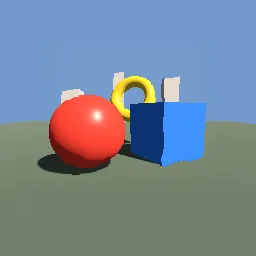
What this component contains
ATTRIBUTION.mdLICENSEREADME.mdcomponent.jsondemo.tscnheat_haze_distortion.gdshaderinspect_shader.pymaterial.trespreview.pngtest_package.pyverification/native.json
How it works
- Shader type
- spatial
- Render modes
- unshaded, cull_disabled, depth_draw_never, shadows_disabled
- Parameters
- screen_texture (sampler2D), strength (float = 0.018), noise_scale (float = 9), rise_speed (float = 1.4), edge_softness (float = 0.25), top_fade (float = 0.6), distance_falloff (float = 0.15), tint_amount (float = 0.04)
- Use it on
- A QuadMesh or other card placed over the hot area.
- Result
- A shimmering patch where the scene behind ripples upward.
- Renderers
- compatibility: compiled and rendered, forward plus: not verified, mobile: not verified
- Placement
- res://baltor/godot_shaders/heat_haze_distortion/
Recorded checks
godot 4.7.2.stable.official.ed1daf0bf
contract_staticengine_runengine_log_cleanshader_in_scenecapture_writtenrender_not_uniformshader_changes_pixels
Limits to consider
Screen-space: it cannot show what is off screen and cannot distort other transparent objects. A card seen edge-on disappears. The distortion is an artistic noise field, not a refraction calculation.