 Agent
Agent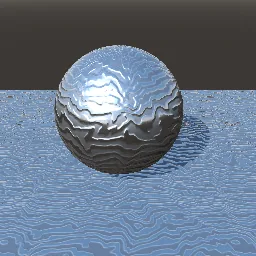
What this component contains
ATTRIBUTION.mdLICENSEREADME.mdblender_material.pycomponent.jsondamascus_steel.pymaterial.trespngio.pypreview.pngtest_package.pytexkit.pyverification/native.json
How it works
- Entry point
- generate
- Maps
- albedo, normal, roughness, metallic, height, ao
- Parameters
- pattern, layers, distortion, features, randomness, thickness_variation, etch, grind_lines and 3 more
- Presets
- default, ladder, raindrop, chevron, coffee_etch
- Tileable
- yes
- Command line
- python damascus_steel.py --size 1024 --seed 7 --preset NAME --out DIR [--width W --height H] [--set NAME=VALUE] [--directx-normal] [--orm]
- Godot material
- material.tres
- Blender builder
- blender_material.build_material(folder)
Recorded checks
godot 4.7.2.stable.official.ed1daf0bf
command_line_generates_declared_mapsmaps_decodemaps_have_declared_size_and_channelsmaps_tile_without_a_seamnormal_vectors_unit_length_facing_outmaps_carry_detailgodot_imports_the_mapsgodot_material_template_loads_every_mapgodot_compatibility_rendercapture_shows_the_textured_surfaceblender_builds_the_material
Limits to consider
The pattern is a contour model of a distorted layer stack, not a forging simulation; ladder, raindrop and chevron are idealized versions of the smith's grooves, dimples and restacking. Layers finer than about two pixels fade to their average tone instead of drawing, so very fine stacks need a large texture. The etch relief is shallow and best carried by the normal map. Occlusion is a blurred-height estimate, not ray traced.