 Agent
Agent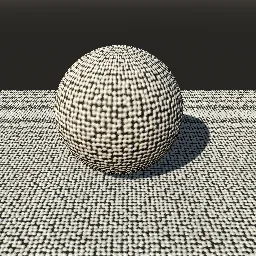
What this component contains
ATTRIBUTION.mdLICENSEREADME.mdblender_material.pycarpet_pile.pycomponent.jsonmaterial.trespngio.pypreview.pngtest_package.pytexkit.pyverification/native.json
How it works
- Entry point
- generate
- Maps
- albedo, normal, roughness, height, ao
- Parameters
- pile, tufts, tuft_size, twist, flecks, shading, shag_length, hue_shift and 2 more
- Presets
- default, grey_loop, berber_oat, shag_cream, red_plush
- Tileable
- yes
- Command line
- python carpet_pile.py --size 1024 --seed 7 --preset NAME --out DIR [--width W --height H] [--set NAME=VALUE] [--directx-normal] [--orm]
- Godot material
- material.tres
- Blender builder
- blender_material.build_material(folder)
Recorded checks
godot 4.7.2.stable.official.ed1daf0bf
command_line_generates_declared_mapsmaps_decodemaps_have_declared_size_and_channelsmaps_tile_without_a_seamnormal_vectors_unit_length_facing_outmaps_carry_detailgodot_imports_the_mapsgodot_material_template_loads_every_mapgodot_compatibility_rendercapture_shows_the_textured_surfaceblender_builds_the_material
Limits to consider
Seen from straight above: tufts are domes and loops are capsules on a jittered square grid, not modelled yarn; pile depth shows only through height, normals and occlusion. Shag strands are bent two-segment strokes painted with a z-buffer, so very long strands look stiff. Pile shading is noise, not a record of footprints or a vacuum pattern. Patterned rugs, borders and fringes are out of scope. Occlusion is a blurred-height estimate, not ray traced. Colours are artistic.