 Agent
Agent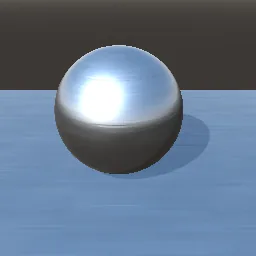
What this component contains
ATTRIBUTION.mdLICENSEREADME.mdblender_material.pybrushed_metal.pycomponent.jsonmaterial.trespngio.pypreview.pngtest_package.pytexkit.pyverification/native.json
How it works
- Entry point
- generate
- Maps
- albedo, normal, roughness, metallic, height, ao
- Parameters
- streak_density, streak_depth, waviness, scratches, roughness_base, smudges, banding, hue_shift and 2 more
- Presets
- default, aluminium, brass, copper, titanium_satin
- Tileable
- yes
- Command line
- python brushed_metal.py --size 1024 --seed 7 --preset NAME --out DIR [--width W --height H] [--set NAME=VALUE] [--directx-normal] [--orm]
- Godot material
- material.tres
- Blender builder
- blender_material.build_material(folder)
Recorded checks
godot 4.7.2.stable.official.ed1daf0bf
command_line_generates_declared_mapsmaps_decodemaps_have_declared_size_and_channelsmaps_tile_without_a_seamnormal_vectors_unit_length_facing_outmaps_carry_detailgodot_imports_the_mapsgodot_material_template_loads_every_mapgodot_compatibility_rendercapture_shows_the_textured_surfaceblender_builds_the_material
Limits to consider
Brushing runs across the tile width only; rotate the UVs for other directions. The grooves live in the normal and roughness maps, which carry no anisotropy direction, so the stretched highlight of real brushed metal needs an anisotropic shader on top. Metal colours are approximate reflectances. Occlusion is a blurred-height estimate, not ray traced.